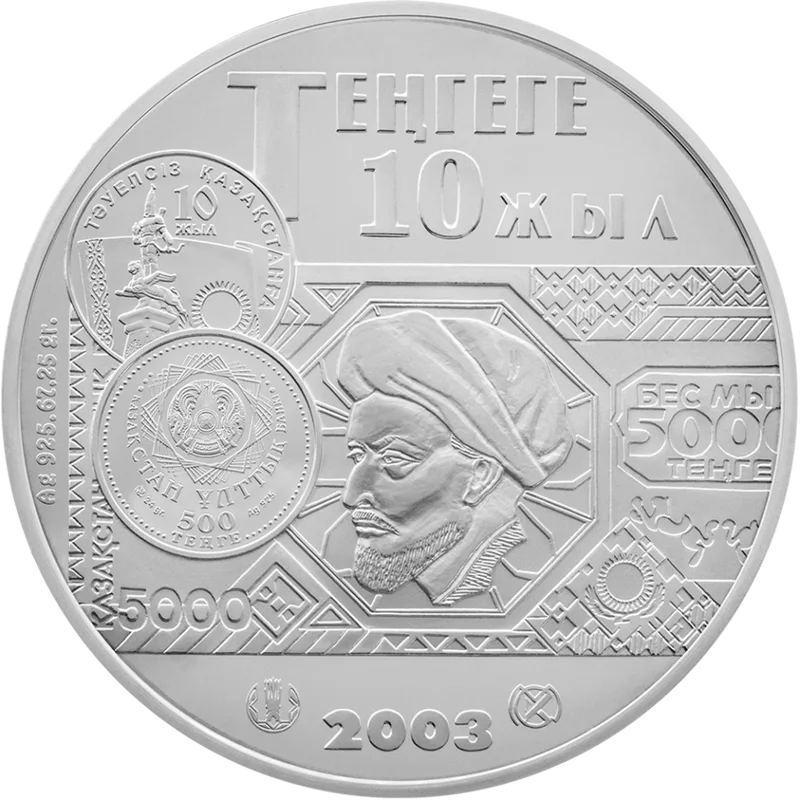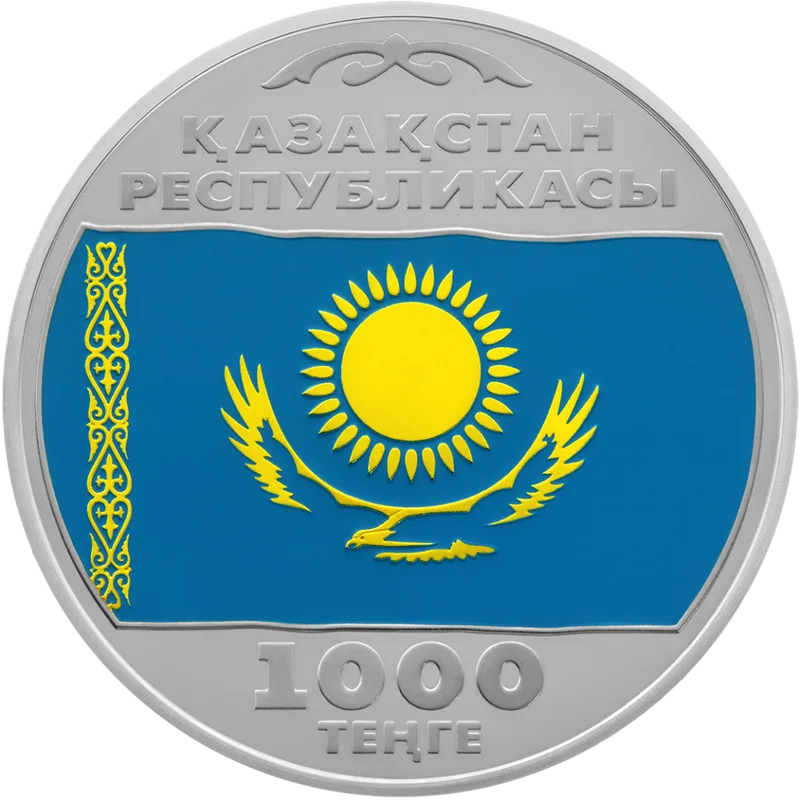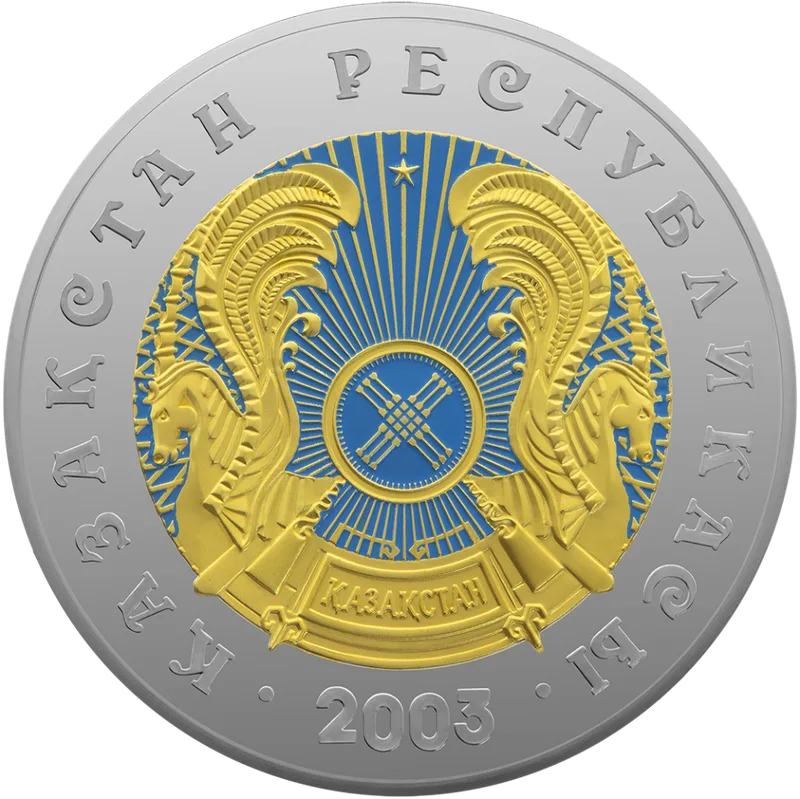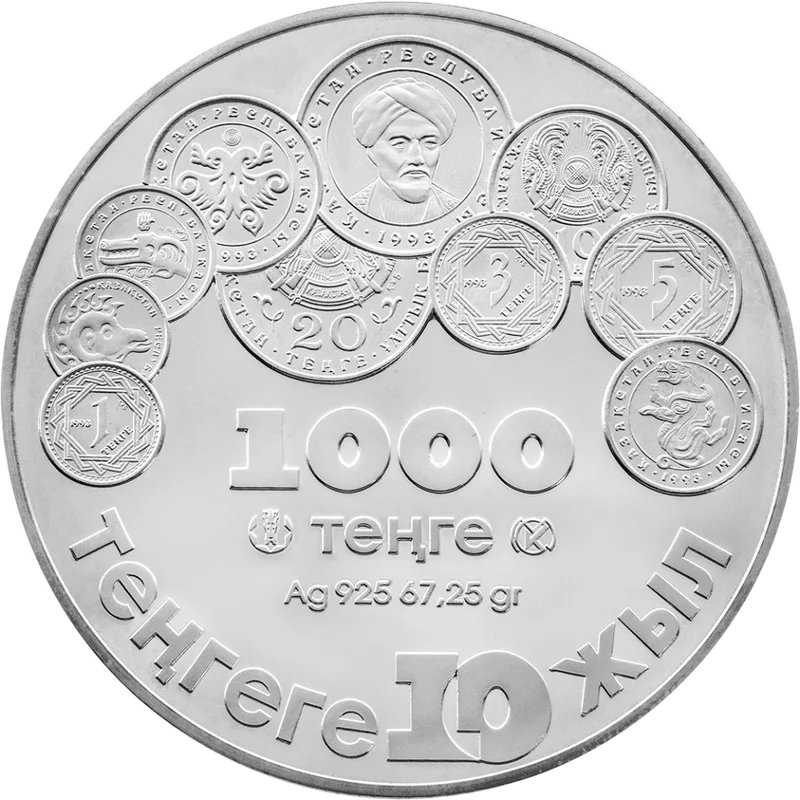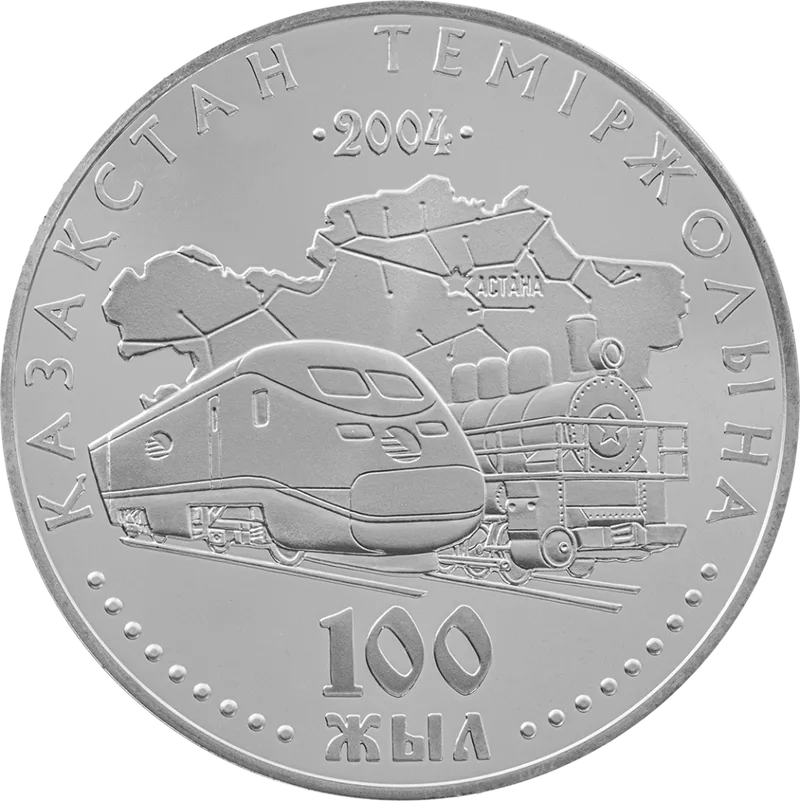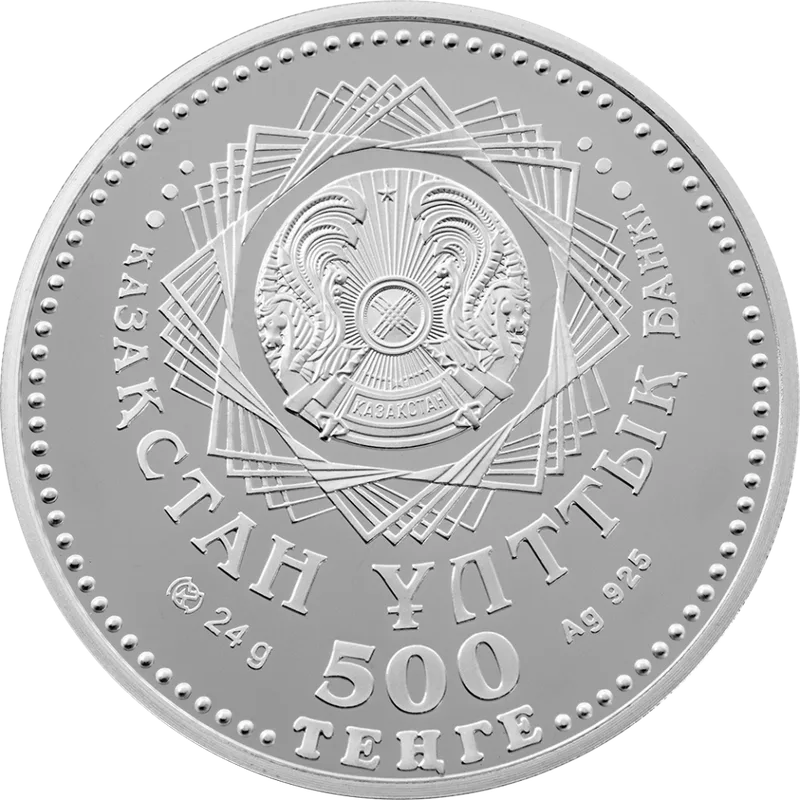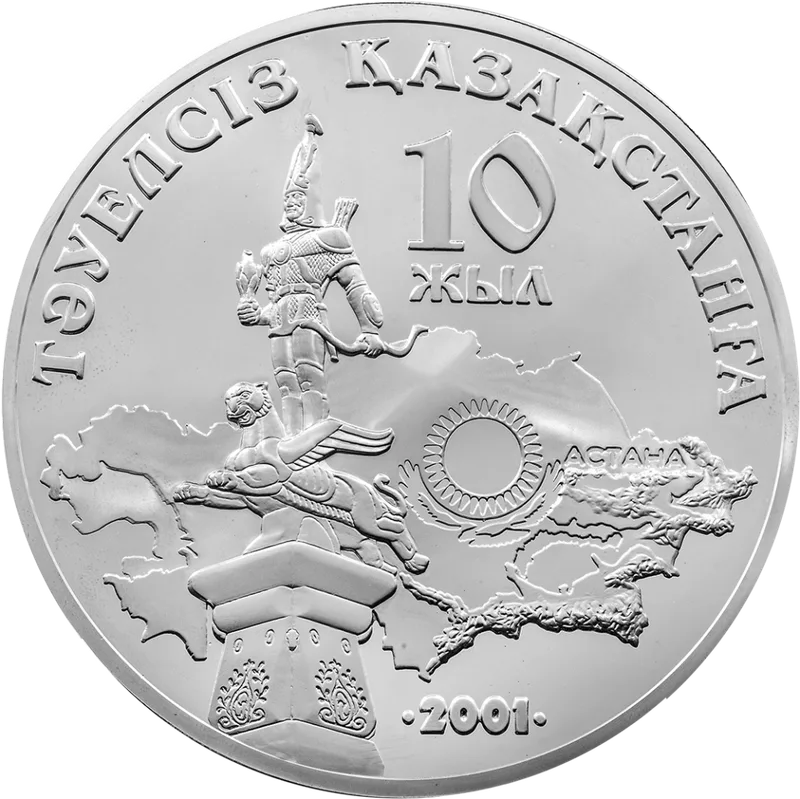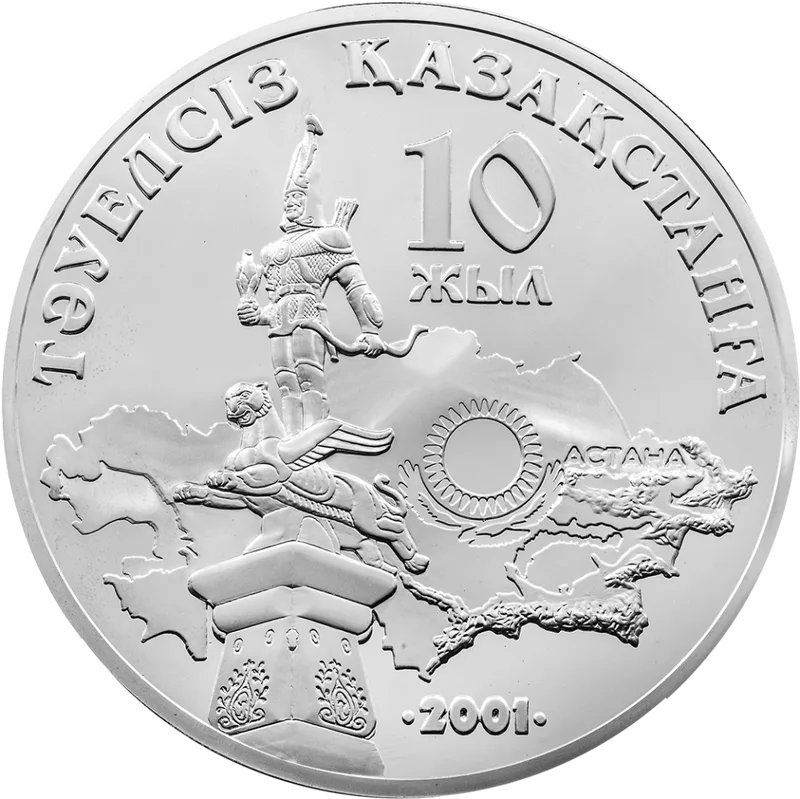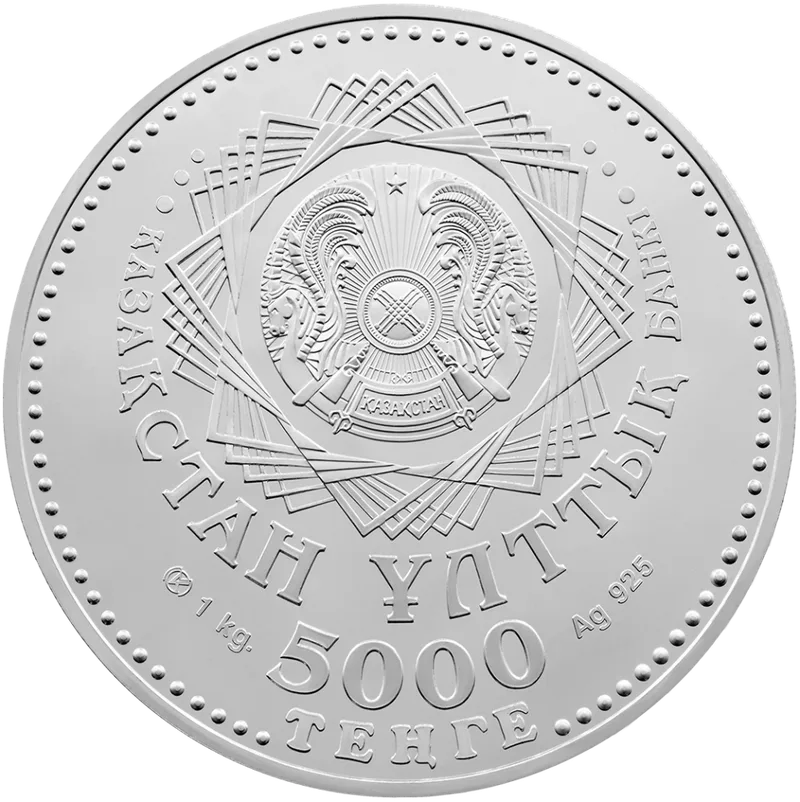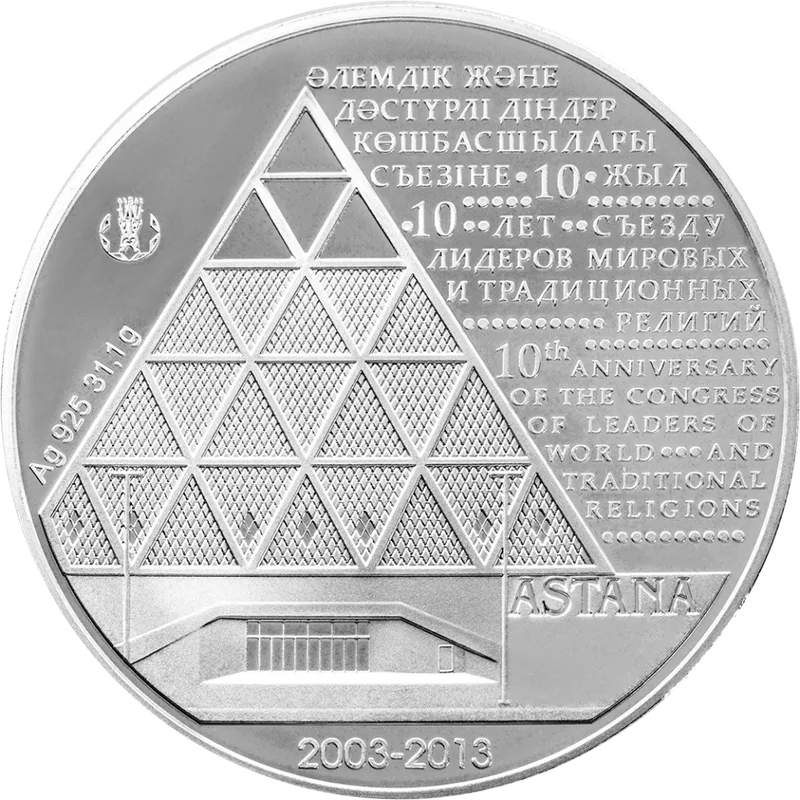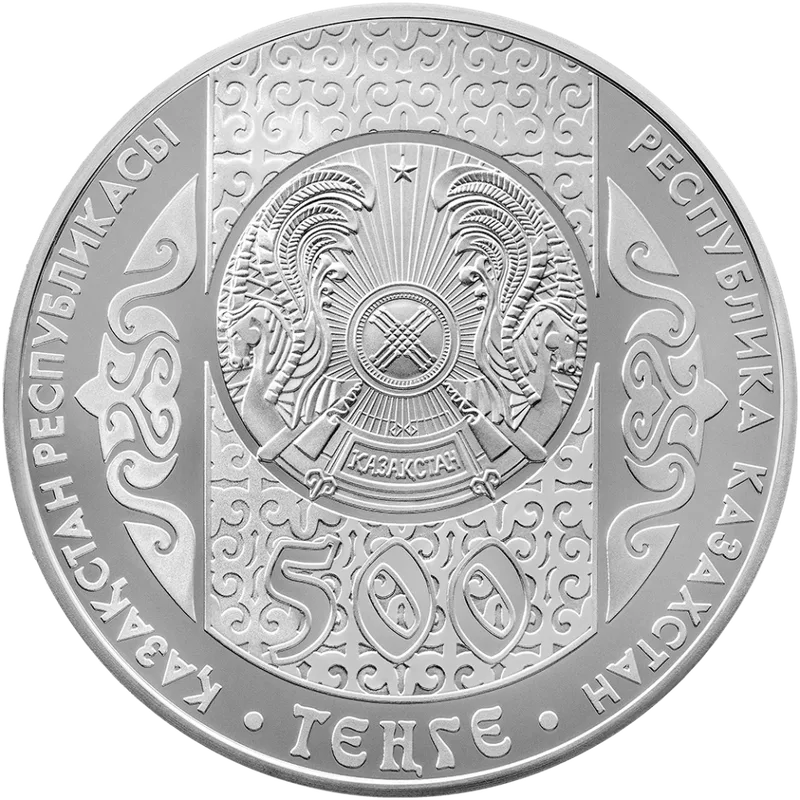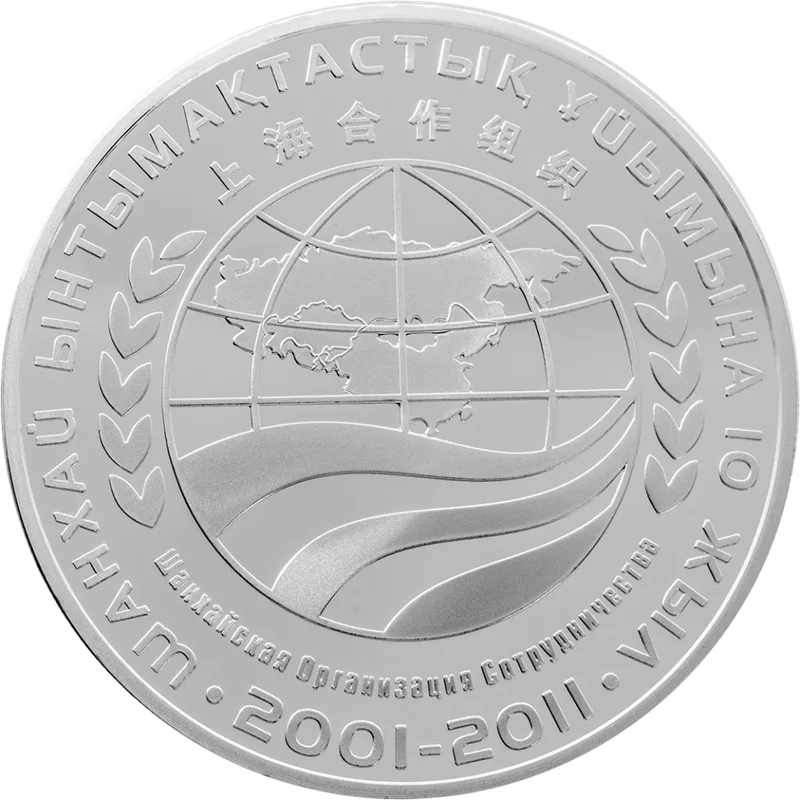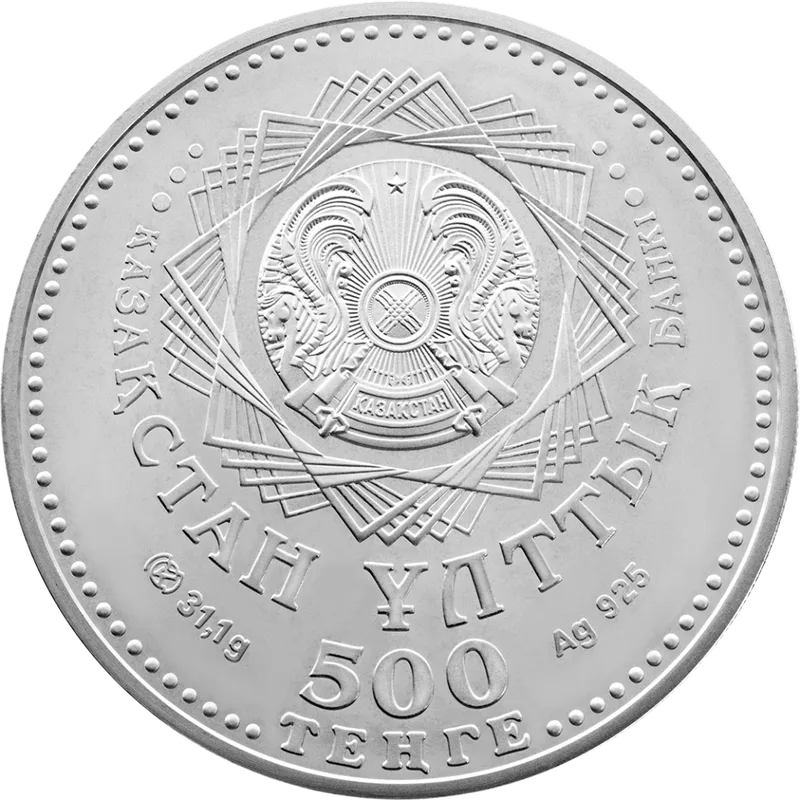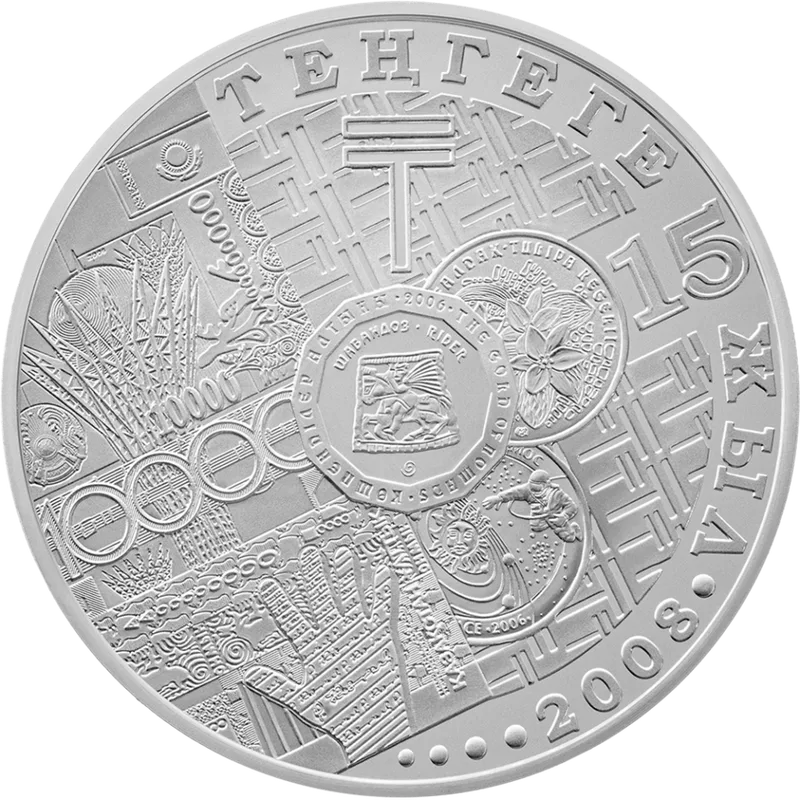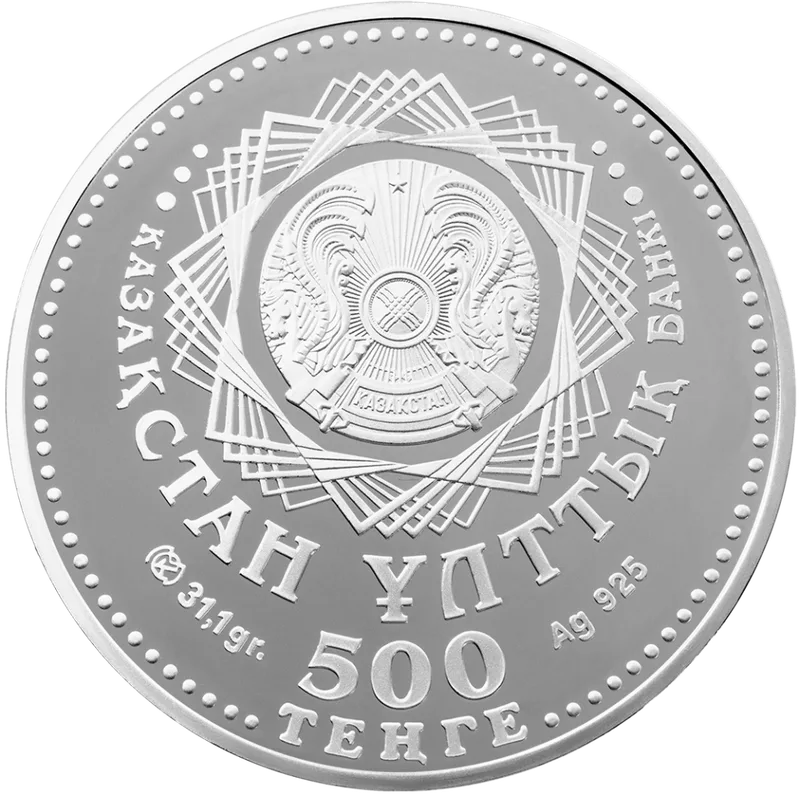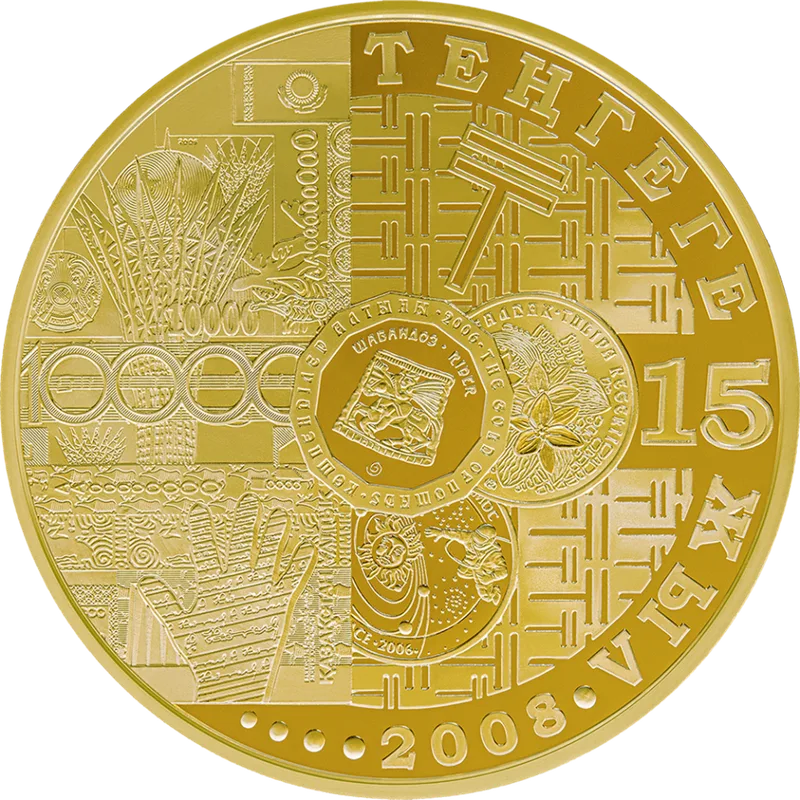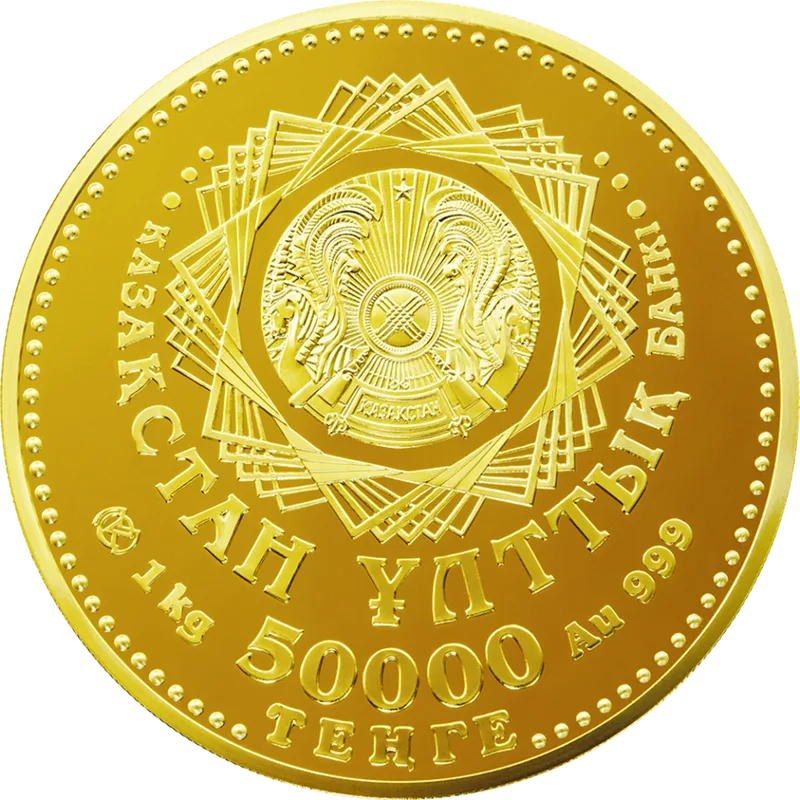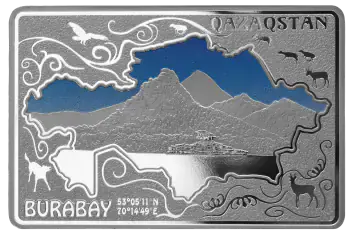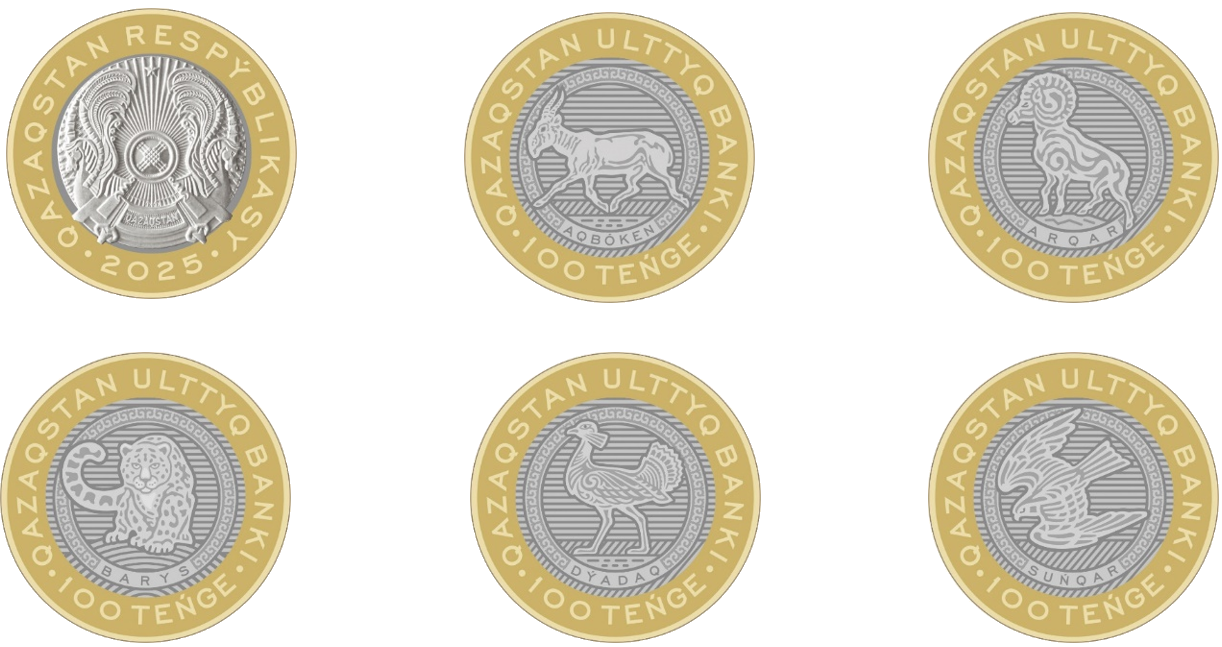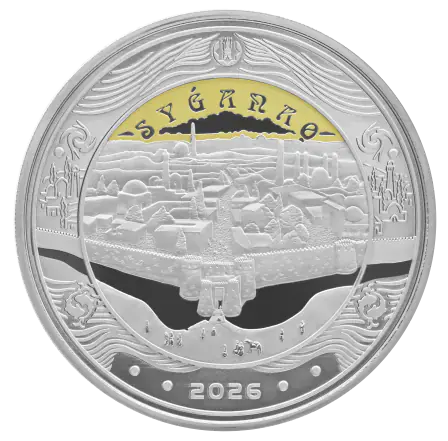

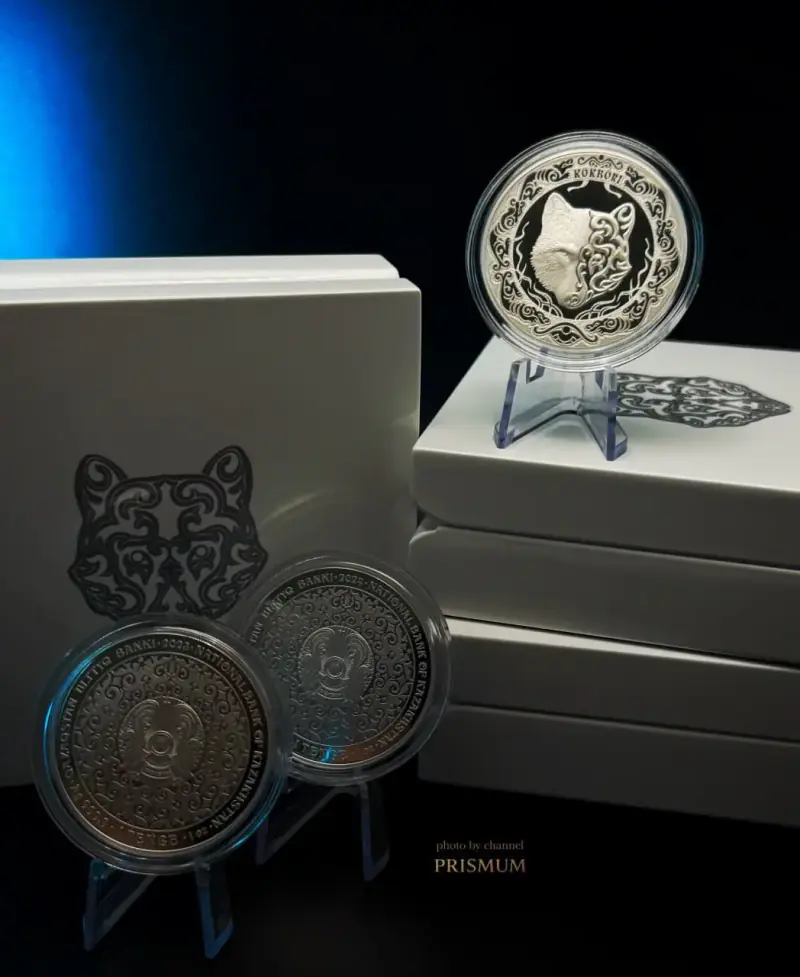
Proof describes a method of manufacture and finish. UNC, short for uncirculated, generally describes a coin with no wear from circulation. They answer different questions, which matters when comparing Kazakhstan coins or choosing a gift.
For precious-metal coins, keep the metal calculation separate from finish and condition. The silver price per gram and gold price per gram provide reference values for the metal content.
What is a proof coin?
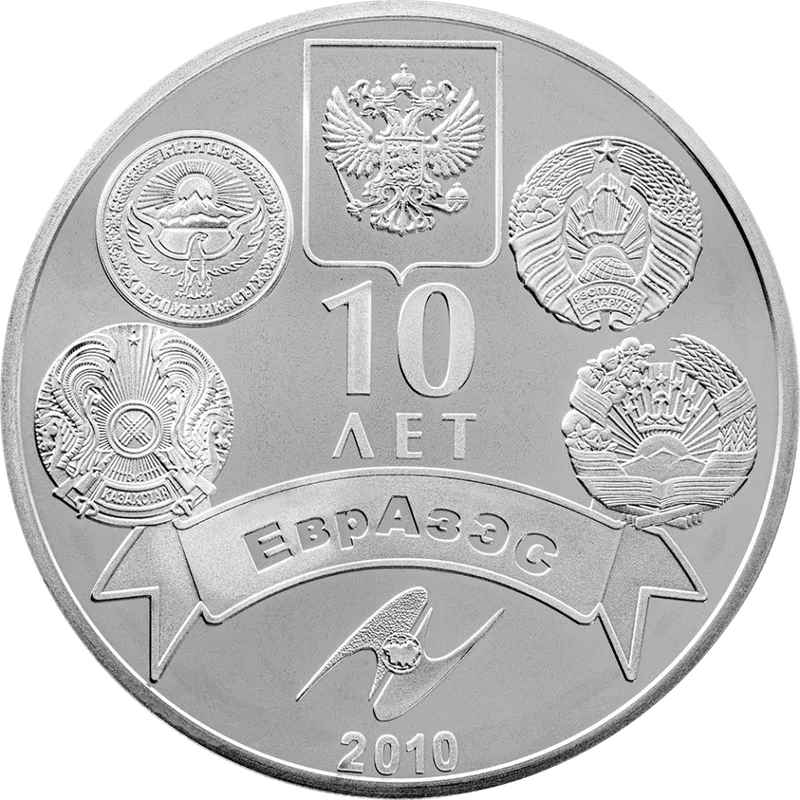
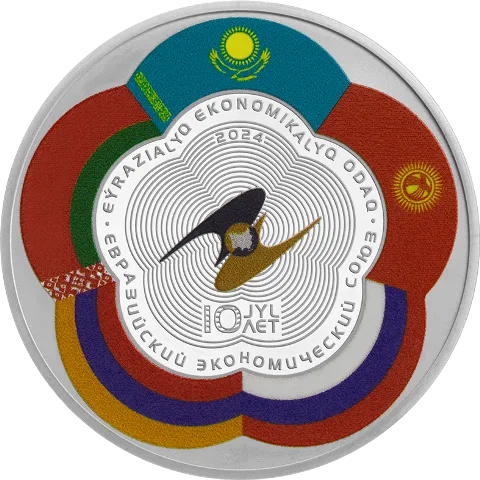
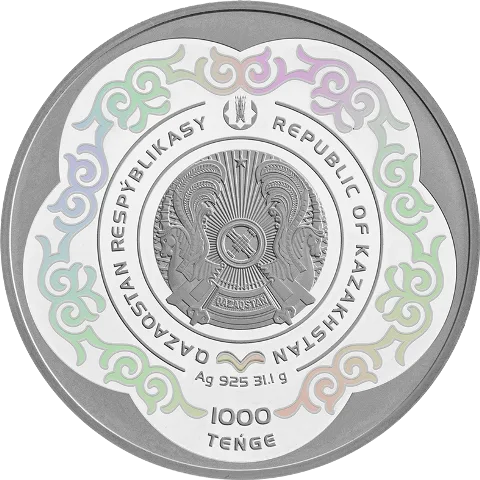
Proof coins are made using specially prepared blanks and dies. Production may involve multiple strikes to bring out fine detail. A common appearance is a mirrored field with a frosted raised design, although the precise finish depends on the issue.
This presentation is widely used for commemorative and collectible coins. The smooth fields also make scratches, fingerprints and handling marks conspicuous. A proof coin remains a proof even if it is later damaged; the word does not promise flawless condition.
What does UNC mean?
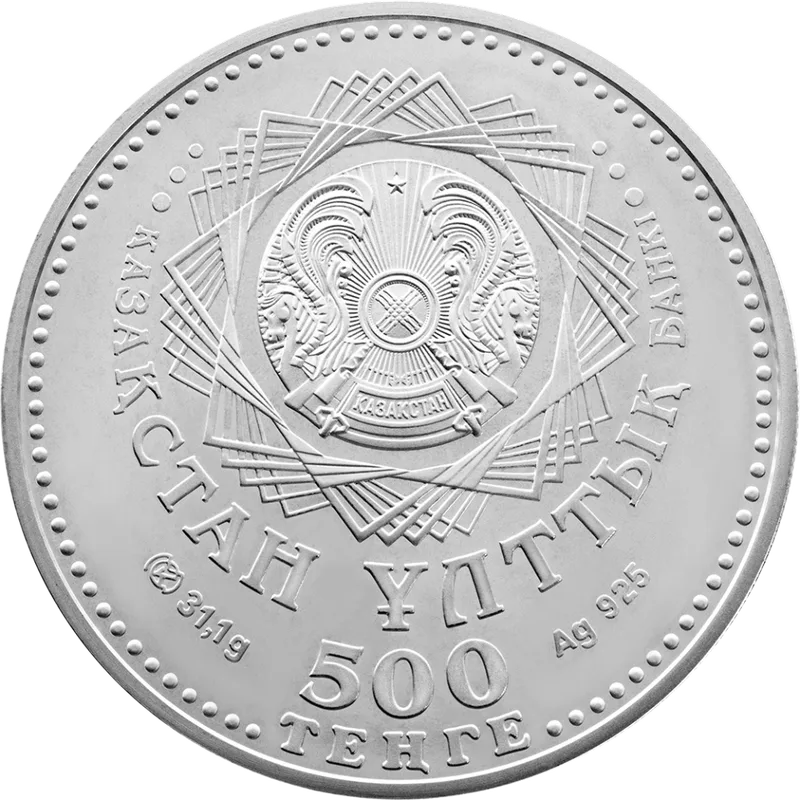
UNC means uncirculated: the coin has no wear caused by everyday use as money. It can still have contact marks or other imperfections from production, handling or storage. Mint State coins can receive different condition grades, so “UNC” alone is not a top-grade assessment.
The term can also appear in a mint’s product description. In mint product descriptions, “uncirculated” can refer to specially produced collector issues as well as coins that have not circulated. For a Kazakhstan release, read the issuer’s description of that particular version.
Comparing the terms
| Aspect | Proof | UNC |
|---|---|---|
| Main meaning | A production method and finish | Usually the absence of circulation wear |
| Typical appearance | Mirrored fields and frosted detail | Often a more uniform surface, depending on the issue |
| Condition | Must still be assessed | Can include contact marks and varying grades |
| Common use | Collector and commemorative issues | Circulation coins kept unused, bullion and collector issues |
Both need careful storage. A mirrored proof surface may reveal a small mark more readily, but an uncirculated coin can also lose condition through poor handling.
Why the version matters
The same design can be issued in different metals, denominations and finishes. A proof example and an uncirculated example are not automatically comparable offers, even when their images look similar. Start with the full specification, then assess the actual coin.
For Kazakhstan issues, the catalog finish helps identify the version. Year, weight, metal and mintage complete the description. None of those fields can tell you whether the seller’s coin has scratches or comes with its original packaging.
What to check before buying
Compare examples of the same year, metal, denomination and finish. Ask for clear photographs of the fields and raised details, looking for scratches, spots or cleaning marks. Confirm the capsule, case and certificate separately; a photograph of a box is not a condition report.
Use completed sales of matching examples when assessing value. Finish, mintage and condition can all matter, but no single label sets a market price.
For practical examples, explore coin gifts for Dad or Kazakhstan’s commemorative 100-tenge coins. The Kazakhstan coin catalog lets you compare the specifications before looking at individual offers.