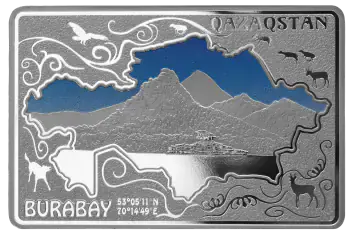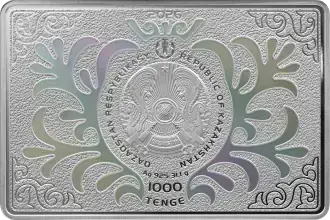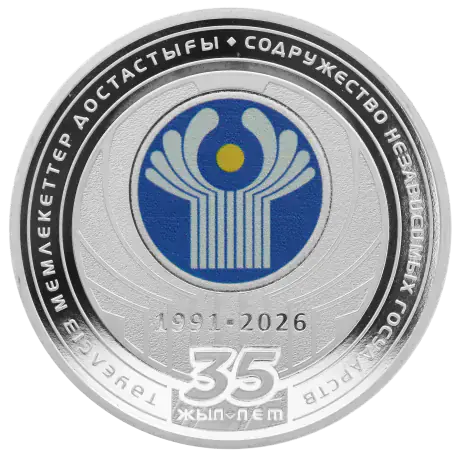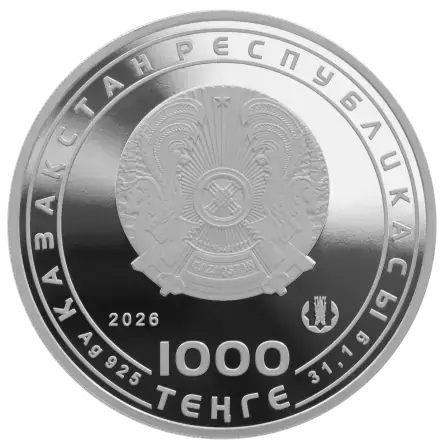

Kazakhstan silver coins can be collected by theme, series, weight or date. Face value alone is less useful: the 1,000-tenge examples below include coins weighing 20, 24 and 31.1 g.
The first table covers eight issues from 2025–2026 in the Prismum catalog. Three earlier examples follow: 999.9-fine bullion silver, a silver-and-tantalum coin and a large collector format. This is an introduction, not a complete list of National Bank releases. The links lead to photographs and specifications; the details were checked on September 19, 2026.
Eight silver coins to compare
All eight are 1,000-tenge coins in 925 silver, with a proof finish. Weight refers to the coin’s total mass, and mintage to the stated number of that version produced.
| Coin | Year | Weight, g | Mintage |
|---|---|---|---|
| Burabay | 2026 | 31.1 | 2,000 |
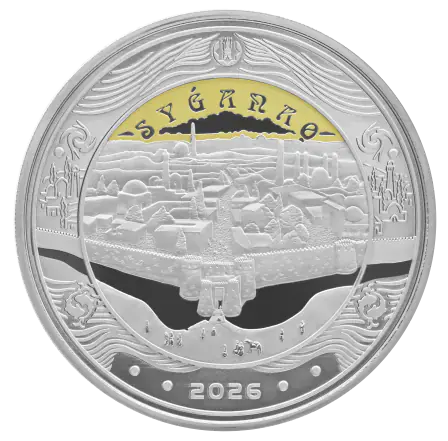
| SYǴANAQ — Syganak | 2026 | 24 | 1,000 |
| 35 Years of the CIS | 2026 | 31.1 | 1,000 |
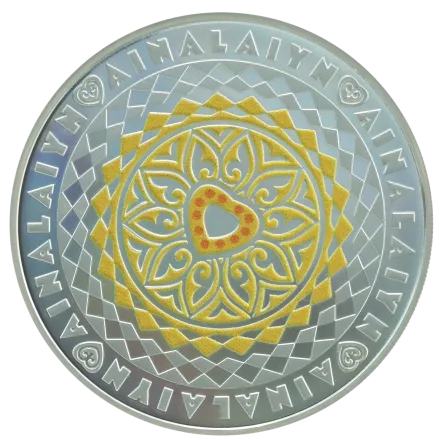
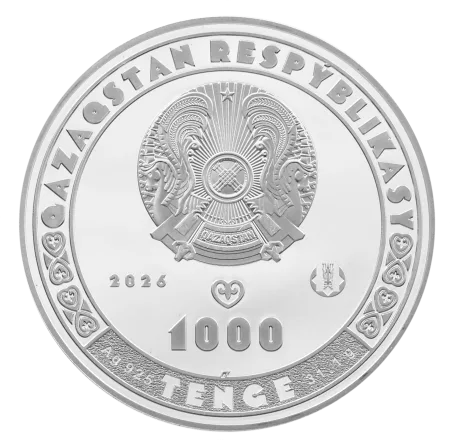
| AINALAIYN | 2026 | 31.1 | 3,000 |
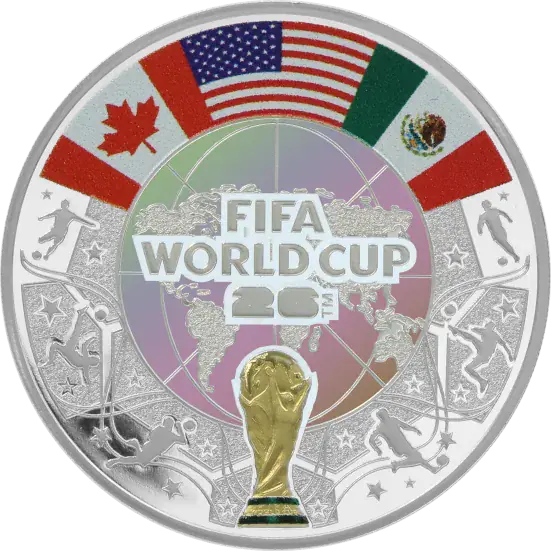
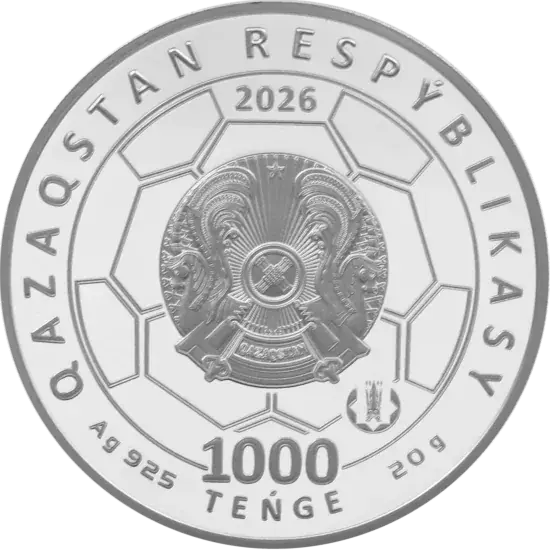
| 2026 World Cup | 2026 | 20 | 2,000 |
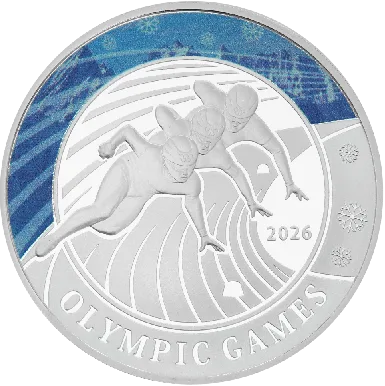
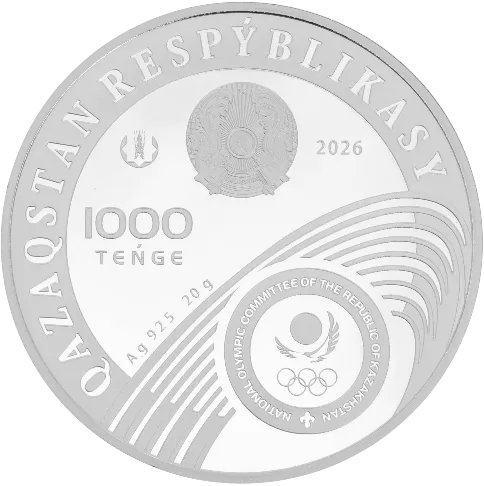
| Olympic Games 2026: Short Track | 2026 | 20 | 2,000 |
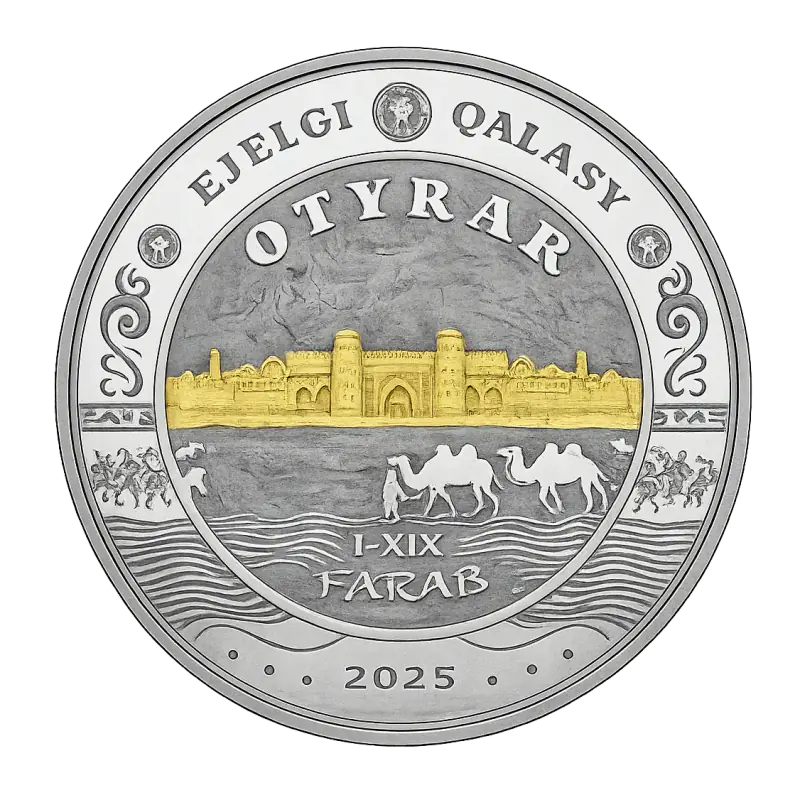
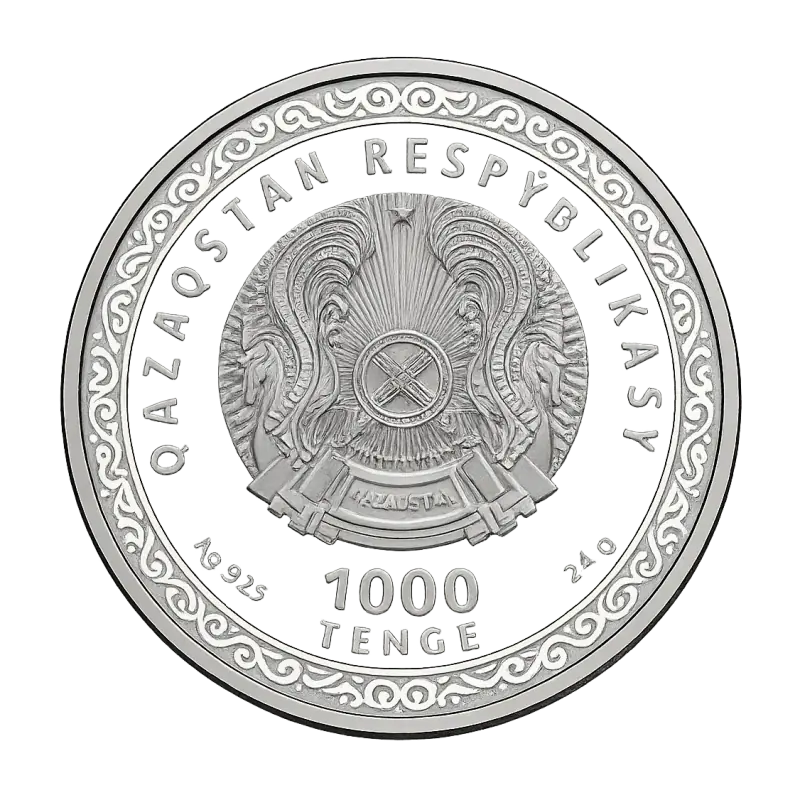
| OTYRAR — Otrar | 2025 | 24 | 2,000 |
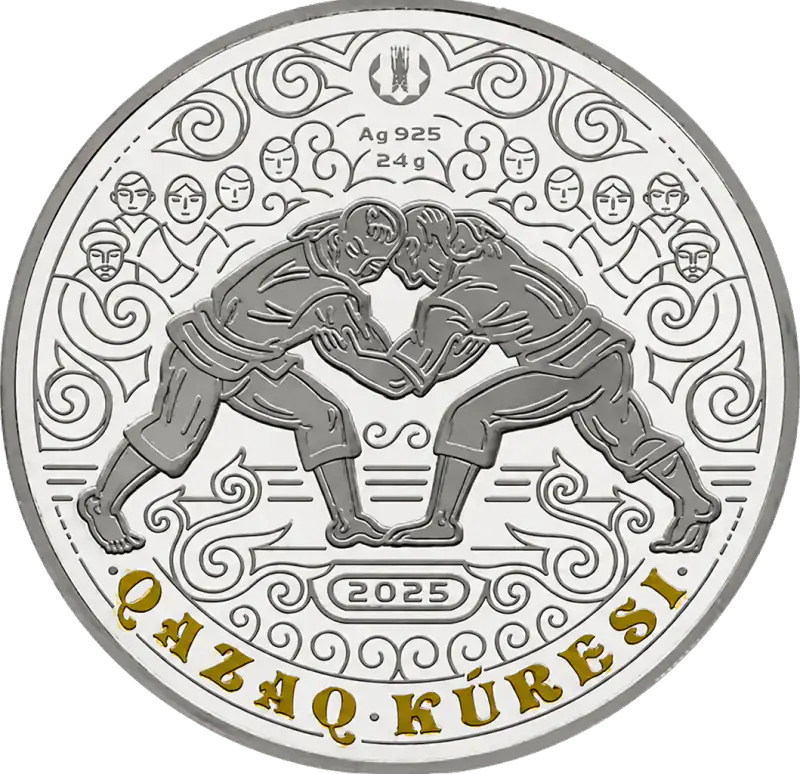
| QAZAQ KURESI — Kazakh Wrestling | 2025 | 24 | 2,000 |
NBK’s July 16, 2026 announcement lists Burabay, SYǴANAQ and 35 Years of the CIS. Other issues can be checked in its silver coin catalog. A catalog listing describes an issue; stock availability is a separate matter.
Earlier years, different finenesses and sizes
Kazakhstan’s silver coins extend beyond 1,000-tenge issues weighing about an ounce. These three examples show why composition and size deserve a place in a collection record.
| Coin and selected version | Year | Face value | Weight and composition | Finish |
|---|---|---|---|---|
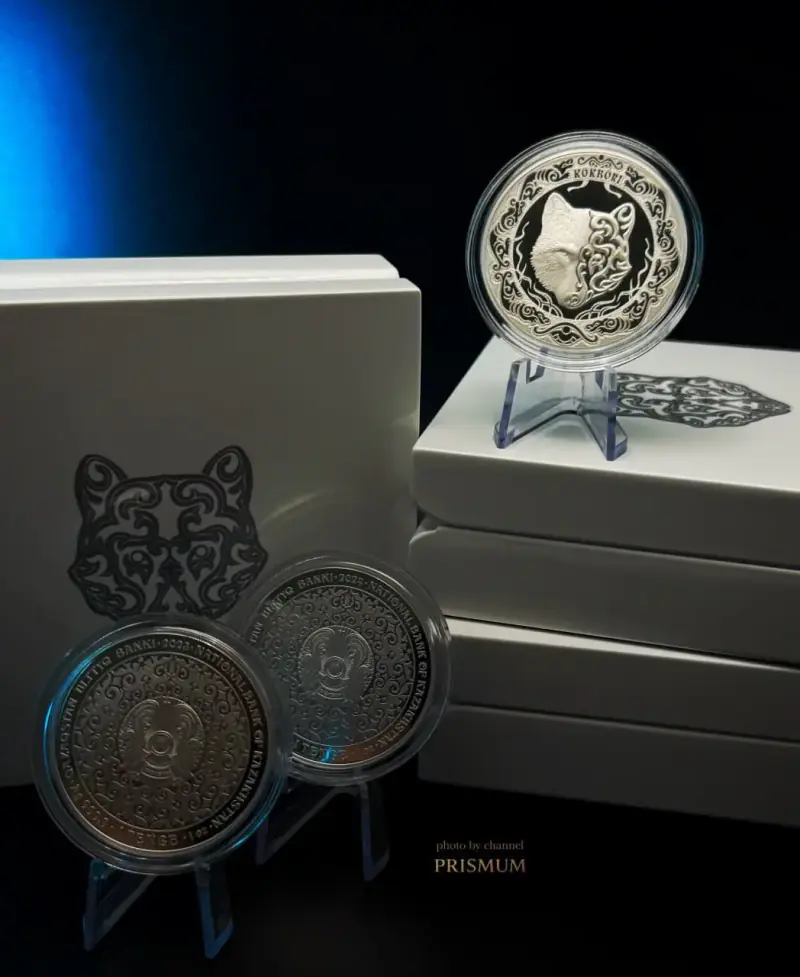
| KOKBORI, 1 troy oz | 2023 | 1 tenge | 31.10 g; 999.9-fine silver | proof |
| Space Station Mir | 2012 | 500 tenge | 41.40 g total: a 14.6 g ring of 925 silver and a 26.8 g tantalum disc | proof |
| Ulus of Jochi: 800 Years, 25 troy oz | 2024 | 5,000 tenge | 777.5 g; 925 silver | proof |
KOKBORI’s silver alloy has a fineness of 99.99%, compared with 92.5% for the sterling silver examples. The bullion series includes both proof and uncirculated coins; the table links to the proof version. NBK describes its rainbow security coating and individual wooden case. The 1-tenge denomination also distinguishes the silver ounce from gold coins bearing the wolf design.
Mir illustrates the importance of component weights. NBK specifies a 14.6 g silver ring, giving a calculated fine-silver content of 14.6 × 0.925 = 13.505 g. The tantalum disc is separate. Applying silver fineness to the entire 41.40 g would overstate the amount of silver.
The large Ulus of Jochi coin weighs 777.5 g; the issue also has 31.1 g and 311 g versions. Record the weight and denomination alongside the name to keep them distinct. The size of the presentation case and the space needed to store it matter more with a coin of this scale.
Choosing a theme
Places and landscape. Burabay offers a natural landscape subject, while SYǴANAQ and OTYRAR introduce historic cities. The two city coins both weigh 24 g but have different release dates and mintages. A checklist organized by series helps distinguish versions when similar place names appear in several issues.
Sport. The World Cup and Short Track coins weigh 20 g each. QAZAQ KURESI, depicting Kazakh wrestling, is a 24 g coin. A shared sporting theme does not make them the same format.
Events and gifts. The CIS coin marks an anniversary. AINALAIYN belongs to the From Heart to Heart series, making the design and message a useful starting point for a gift. Check the diameter and presentation set too: a large product photograph says little about how the coin looks in the hand.
How much silver does 925 fineness contain?
925 silver is an alloy containing 92.5% silver. For a coin made from that alloy, multiply its weight by 0.925:
- 31.1 g × 0.925 = 28.7675 g of pure silver.
- 24 g × 0.925 = 22.2 g.
- 20 g × 0.925 = 18.5 g.
Thus, a 31.1 g sterling silver coin does not contain 31.1 g of pure silver. For a coin with inserts or several metals, use the issuer’s breakdown of the components instead of multiplying the whole weight by one fineness.
The silver price per gram in Kazakhstan provides a reference for the metal calculation. A collector’s price also reflects the issue and the individual coin.
Proof finish, condition and packaging
Proof describes how a coin was made. It does not guarantee that a secondhand example remains flawless. The proof and UNC guide explains the terminology.
Ask for photographs of both faces, the edge and the packaging. Look for scratches, spots or signs of cleaning, and confirm that any certificate belongs to the version offered. A photograph of a presentation case cannot establish the condition of the coin inside it.
Record the contents of the set explicitly: capsule, case, certificate and outer box. This makes later comparisons much easier than a seller’s description of a “complete” coin.
Mintage and price
The mintages in this table range from 1,000 to 3,000. They show production numbers, not the number currently available to buy. Demand and the condition of examples on the market can be just as relevant to a sale.
Compare the same metal, denomination, weight and packaging. Record dates and fees, and distinguish completed sales from asking prices. For a closer look at this process, read mintage and rarity in Kazakhstan coins.
More coins to explore
Browse individual coins in the Kazakhstan catalog, choose a theme in the collectible coin series, or check current availability in NBK’s official store.
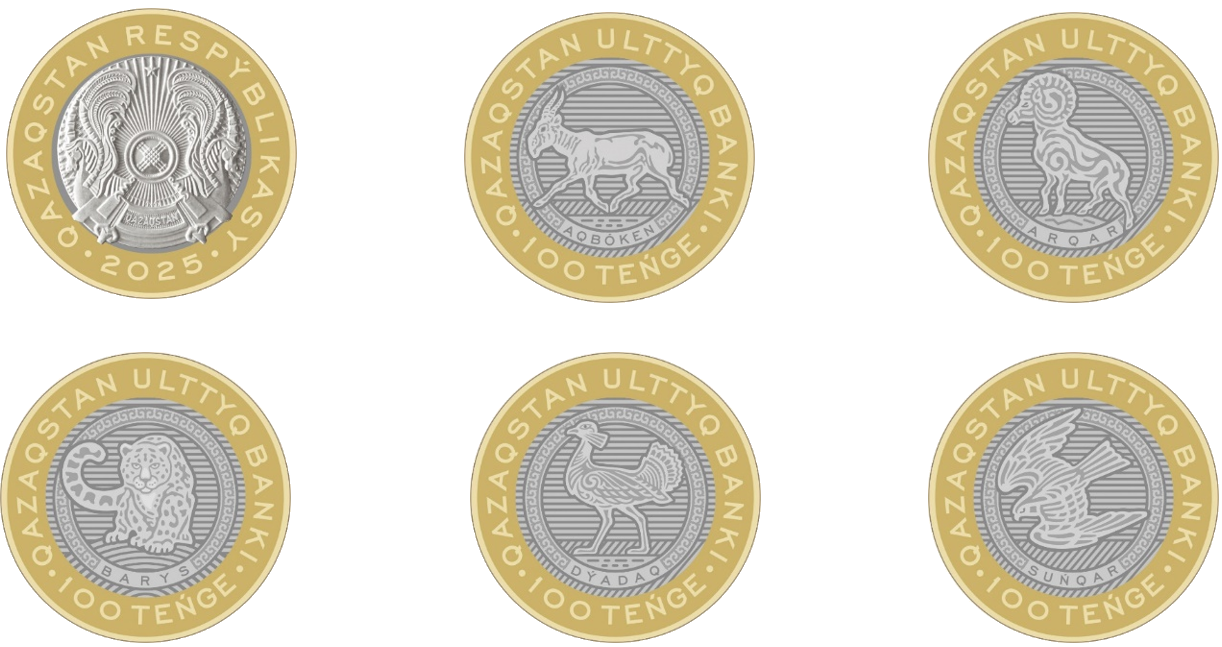
The gold coin guide offers a comparison in another metal. The commemorative 100-tenge guide focuses on a denomination: a silver-colored surface and the number 100 do not, by themselves, identify a coin’s metal.